How can you build trust in your relationship?
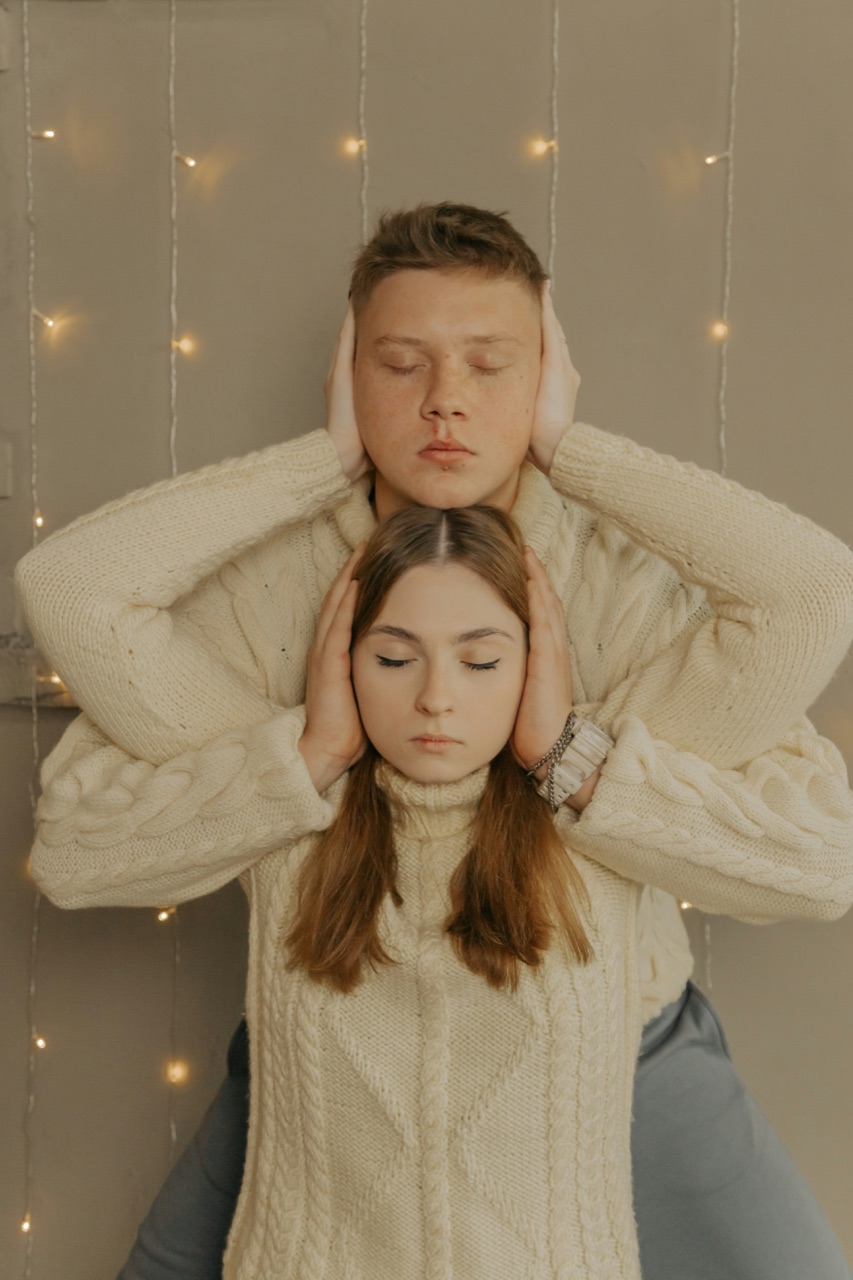
In a couple, we often talk about communication, compatibility or common projects. Trust is built up in the course of commitments made and difficult conversations that one manages to resume. A relationship can survive a dispute, a temporary remoteness or even a financial crisis... but rarely mistrust.
The premarital and couples counselling helps you identify the cracks in your bond of trust, understand their origin, and above all rebuild a solid foundation.
Salim and Julie – The Shadow of the Past
Julie is very in love with Salim, but she searches her phone in hiding. She was deceived in an old relationship. Salim, for her part, becomes suspicious of this constant surveillance: "I have nothing to hide, but I hate to feel controlled."
In session, they realize that Julie projects an old injury on the current relationship. The problem is not Salim, but the trauma unsolved. Confidence does not re-establish itself by demanding evidence: it rebuilds itself feeling safe.
Lesson: If your past prevents you from trusting today, it's not up to the other person to repair. It's up to you to heal.
Adrien and Kheira – Too much transparency kills trust
Adrien and Kheira decided from the beginning to be "totally transparent": all passwords are shared, each exit has to be validated. But after two years, Kheira feels that she has no more personal space. Adrien says: "If you have nothing to hide, you should not need privacy."
In therapy, they discover that trust is not the absence of secrecy, but the presence of mutual respect. The confusion between control and honesty has stifled their connection.
Lesson: Trust is also about letting the other one breathe.
Talk about what has shaken your trust
You can start with a broken promise, a secret or a disagreement about privacy. We can talk through what commitments each of you can realistically make.
What's at stake in the relationship
According to Erik Erikson, trust is the first challenge of human development (stage "trust vs mistrust" in early childhood). If it is poorly built, it continues to impact all relationships in adulthood, especially the relationship of couple.
Brené Brown, a researcher on vulnerability, recalls that trust is built by repeated micro-actions: to keep his promises, to respect the limits, to listen without judging. It is not a blurred feeling: it is an accumulation of reliable facts.
Finally, Simone de Beauvoir pointed out that "authentic love presupposes the recognition of the other as a free subject." If one seeks to control, one betrays this freedom—so trust.
Practical practices to build trust in the couple
-
Stop the surveillance: ban the systematic "where were you?".
-
List the actions that have hurt you in the past... and distinguish them from your current partner.
-
Set up a "trust review" ritual every month: what you enjoyed, what you have experienced badly.
-
Learn to express your doubts without accusing: "I felt insecure when..."
-
Decide together what is shared and what remains personal (telephones, networks, finance, etc.).
Conclusion
Trust is not born by magic. It is built every day, in the coherence between words and deeds. It severs by the unsaid, the suspicions, the unjust accusations. And it reborn, always, by respect, the listening, and the courage to believe again.
You want lasting love? Work your trust. Not only in the other... but in you, in your ability to love without fear.